

Field service organizations are entering a new era where customer expectations, asset complexity, and workforce challenges are converging at an unprecedented pace. Customers expect rapid response, first-time resolution, and proactive communication, while organizations must manage increasingly sophisticated assets, rising service costs, and an aging workforce.
Meeting these expectations requires more than digitizing work orders or equipping technicians with mobile devices. It demands a Connected Technician Ecosystem—one where Artificial Intelligence (AI), Digital Twins, Augmented Reality (AR), IoT, Agentic AI, and modern service platforms such as Fusion Field Service Cloud work together to empower technicians with real-time intelligence and enterprise-wide connectivity.
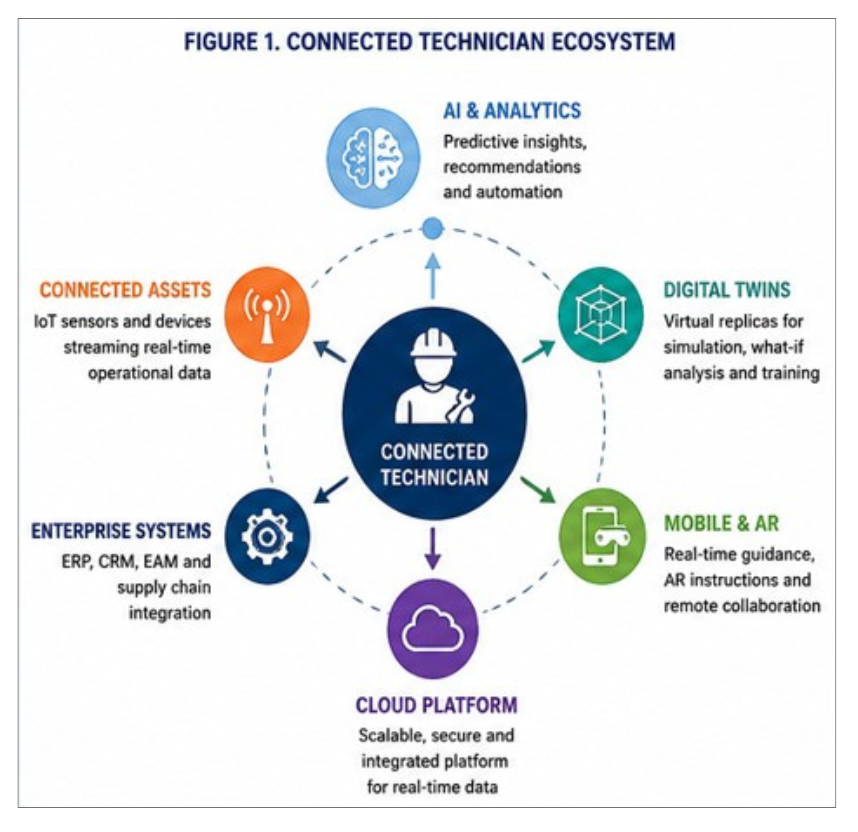
Figure 1: Connected Technician Ecosystem
Rather than operating independently, today’s technicians become part of an intelligent service network where enterprise applications, connected assets, inventory, remote experts, and AI collaborate seamlessly to improve productivity, increase first-time fix rates, reduce downtime, and enhance customer experience.
Technology Spotlight
🤖 AI
|
Digital Twins
|
📡 IoT
|
From Mobile Workers to Connected Technicians
Over the past decade, field service has evolved from paper-based processes to mobile-enabled operations. While mobility significantly improved technician productivity, many field workers still spend valuable time searching for technical documentation, diagnosing complex issues, coordinating spare parts, and manually documenting completed work.
The connected technician represents the next stage of this evolution.
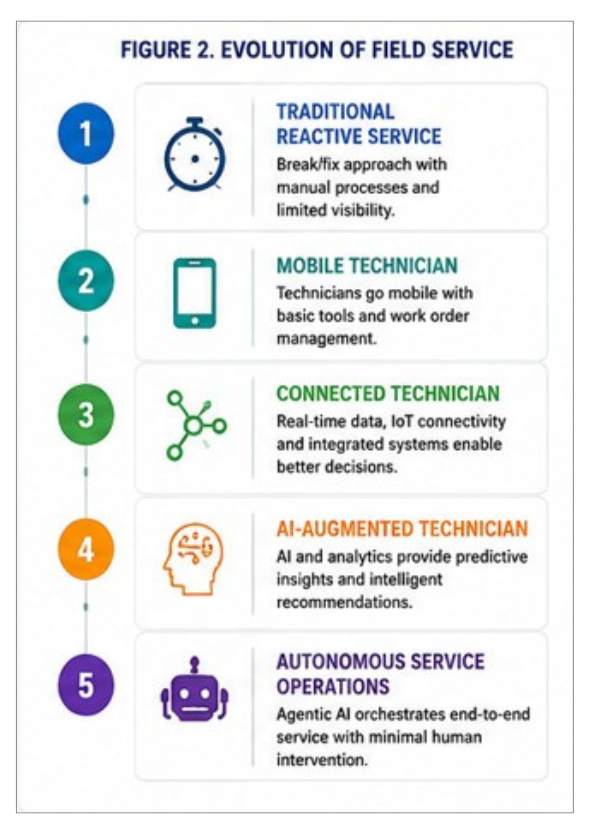
Figure 2: Evolution of Field Service
Before a technician travels to a customer site, AI analyzes asset history, IoT sensor data, previous work orders, warranty information, technician skills, parts availability, and even travel conditions. By the time the technician arrives, they already have probable failure causes, recommended repair procedures, required inventory, and customer-specific insights.
This intelligent preparation transforms field service from reactive troubleshooting into proactive problem solving.
AI, Predictive Maintenance, and Digital Twins Working Together
Artificial Intelligence has become the technician’s intelligent co-pilot throughout the service lifecycle. AI analyzes large volumes of operational and service data to recommend troubleshooting steps, identify replacement parts, retrieve relevant knowledge articles, and automatically generate service summaries.
Its greatest value, however, lies in enabling predictive maintenance.
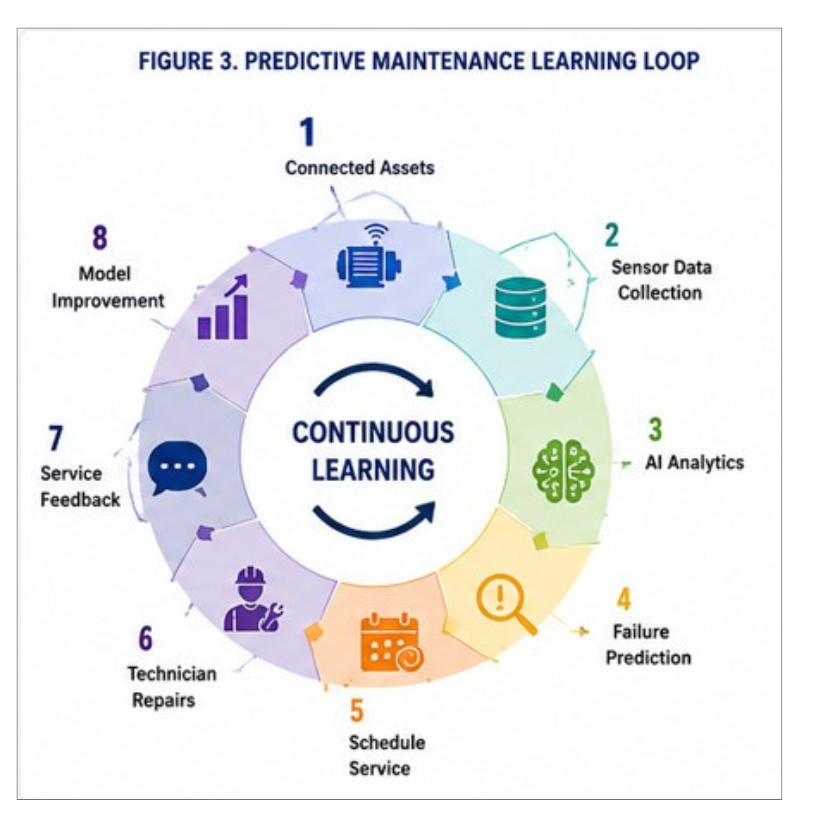
Figure 3: Predictive Maintenance Learning Loop
Connected assets continuously transmit operational information through IoT sensors measuring temperature, vibration, pressure, electrical consumption, and other performance indicators. AI analyzes these data streams to detect early signs of degradation before failures occur.
Digital Twins further strengthen this capability by creating a dynamic virtual representation of physical assets. Unlike static engineering drawings, digital twins continuously synchronize with live operating conditions, maintenance history, software versions, and performance metrics.
Before arriving onsite, technicians can review the asset’s digital twin, understand historical performance, simulate repair scenarios, and identify likely failure points. This preparation shortens diagnostic time, reduces unnecessary component replacement, and improves repair accuracy.
Together, AI, predictive maintenance, and digital twins enable organizations to shift from reactive maintenance toward intelligent, condition-based service strategies.
Augmented Reality and Remote Expertise
While AI determines what needs attention, Augmented Reality helps technicians execute repairs more efficiently.
Using smart glasses or mobile devices, AR overlays digital work instructions directly onto equipment. Interactive visual guidance highlights inspection points, wiring diagrams, calibration procedures, and safety precautions, reducing errors while accelerating technician training.
When technicians encounter unfamiliar situations, remote collaboration extends expert knowledge beyond geographic boundaries. Through live video, annotations, and real-time diagnostics, specialists can guide field personnel without traveling to customer sites.
This combination of AR and remote assistance improves repair quality, preserves institutional knowledge, and allows experienced engineers to support multiple technicians simultaneously.
Agentic AI: Orchestrating Intelligent Service Operations
Generative AI assists technicians by providing recommendations and summarizing information. Agentic AI represents the next evolution by autonomously coordinating service activities across enterprise applications.
Consider an electrical transformer that begins transmitting abnormal operating data.
An Agentic AI service coordinator can analyze sensor readings, determine the probability of failure, create a work order, identify the best-qualified technician, reserve spare parts, optimize scheduling, notify the customer, prepare digital work instructions, and escalate the incident if operating conditions deteriorate.
By the time the technician begins traveling, administrative coordination has already been completed, allowing them to focus on resolving the problem rather than managing logistics.
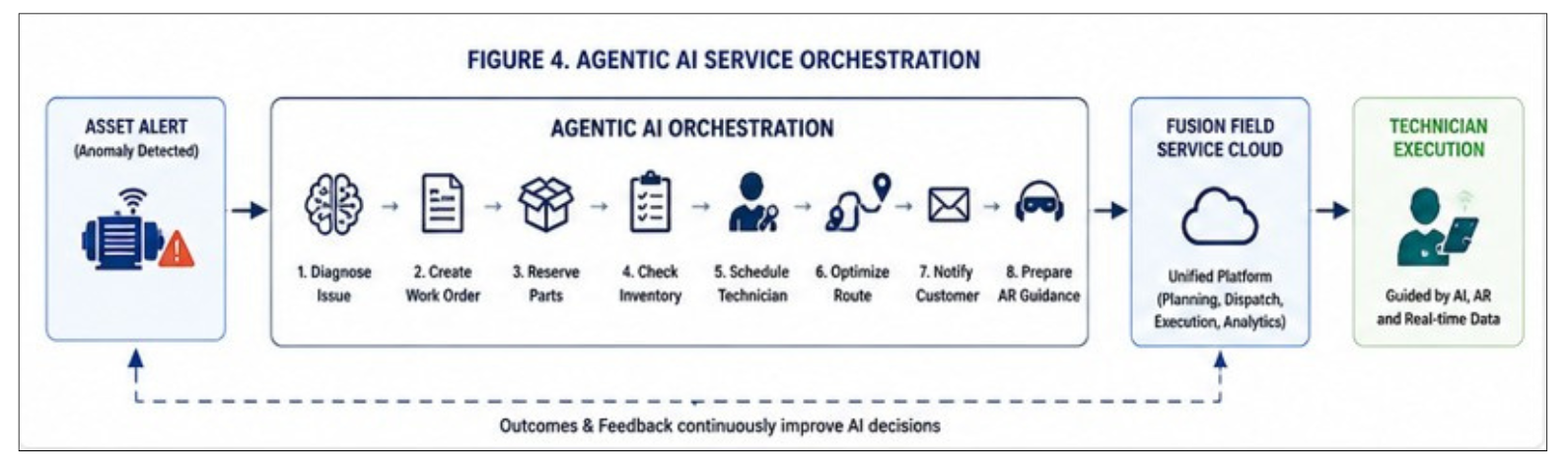
Figure 4: Agentic AI Service Orchestration
This level of intelligent orchestration significantly improves operational efficiency while reducing service delays.
Fusion Field Service Cloud: Connecting the Service Ecosystem
The true value of these technologies is realized when they operate within a connected enterprise platform.
Fusion Field Service Cloud integrates scheduling, dispatching, technician mobility, asset information, customer interactions, inventory visibility, and AI-driven recommendations into a unified service environment. When integrated with CRM, Enterprise Asset Management (EAM), Service Logistics, ERP, IoT platforms, and knowledge management systems, it provides technicians with a complete view of customers, assets, inventory, and service history from a single interface.
Instead of switching between disconnected applications, technicians receive contextual information exactly when it is needed, enabling faster decisions and more efficient service execution.
Connected Technician in Action
The benefits of this connected ecosystem are evident across multiple industries.

Figure 5: Business Outcome ; Impact of connected technicians
ATM Manufacturing
For global ATM manufacturers, equipment availability directly impacts financial institutions and customer satisfaction. AI analyzes telemetry and historical failures to identify likely causes before technicians arrive onsite. Digital twins provide visibility into equipment history, while AR guides calibration and component replacement. If required, remote product specialists validate repairs in real time. Fusion Field Service Cloud synchronizes work orders, inventory consumption, and service records, enabling higher first-time fix rates and improved ATM uptime.
High-Tech Manufacturing
Modern manufacturing equipment combines robotics, embedded software, industrial IoT, and precision electronics, making field service increasingly complex. AI identifies likely component degradation using historical and operational data, while digital twins allow technicians to simulate repairs before work begins. AR accelerates maintenance procedures, and remote engineering experts assist with software configuration or equipment calibration. The result is reduced production downtime, standardized repair quality, and improved operational efficiency.
Utilities
Utility organizations manage geographically dispersed critical infrastructure where reliability and safety are paramount. Predictive AI detects abnormal transformer or substation behavior using IoT sensor data and recommends preventive maintenance before outages occur. Digital twins provide technicians with asset history and operating conditions before arrival, while AR reinforces inspection procedures and safety protocols. Remote engineers support field teams when specialized expertise is required. Together, these capabilities reduce outage duration, improve regulatory compliance, and enhance worker safety.
Looking Ahead
The future of field service will not be defined by any single technology but by the seamless integration of AI, predictive analytics, digital twins, AR, Agentic AI, and connected service platforms.
As these technologies mature, service organizations will increasingly move from reactive repairs to autonomous service operations where intelligent systems anticipate failures, coordinate resources, optimize schedules, and continuously learn from every service interaction.
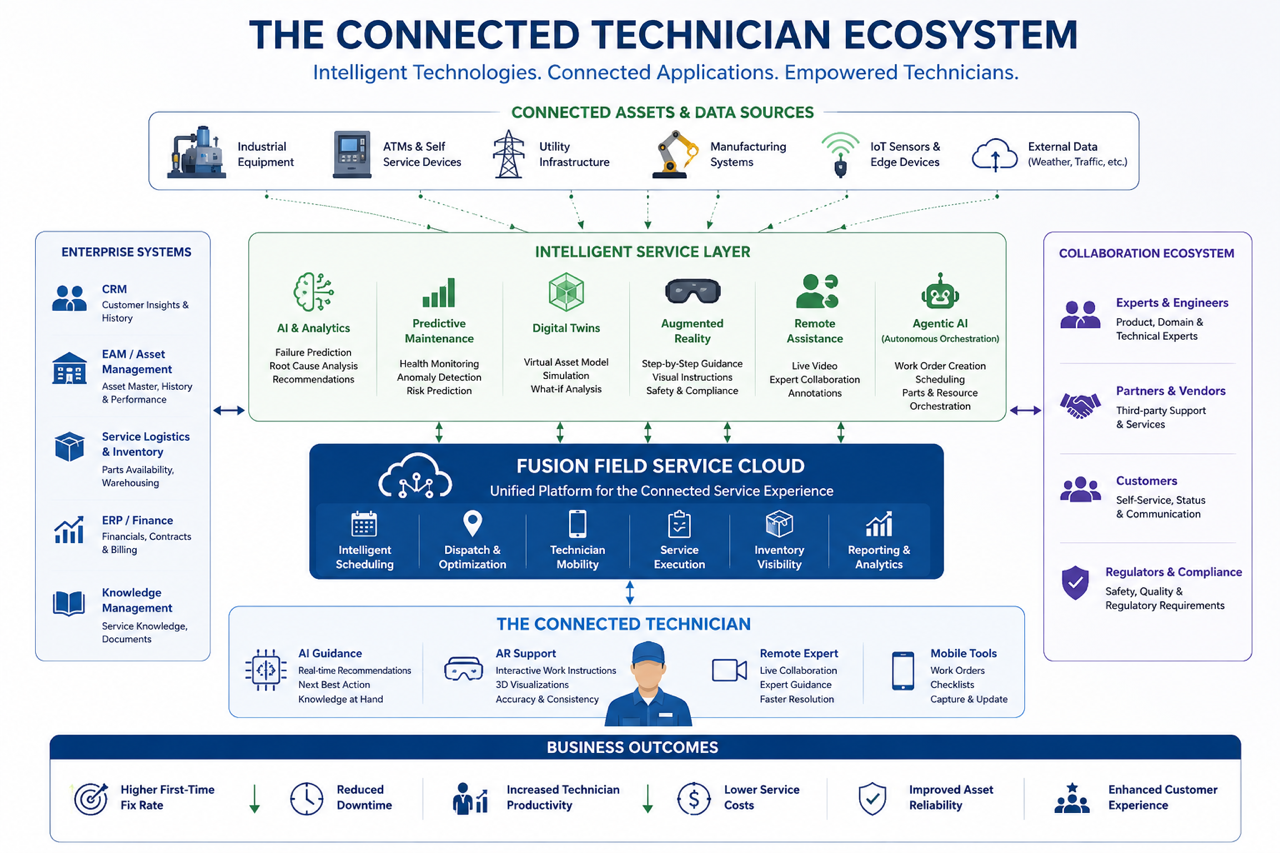
Figure 6: The Connected Technician Ecosystem
The connected technician will remain at the center of this transformation—not replaced by AI, but empowered by it. Equipped with real-time intelligence, enterprise-wide connectivity, and intelligent automation, technicians will spend less time searching for information and more time delivering exceptional service.
Organizations that invest in building this connected technician ecosystem today will be better positioned to maximize asset performance, improve workforce productivity, reduce operating costs, and create differentiated customer experiences. In an increasingly competitive service economy, the connected technician is no longer a vision for the future—it is becoming the foundation of modern field service excellence.
Key Takeaways
- Connected technicians operate within an intelligent enterprise ecosystem.
- AI, IoT, Digital Twins, AR, and Agentic AI work together to improve service delivery.
- Fusion Field Service Cloud provides unified enterprise connectivity.
- Predictive maintenance reduces downtime and improves first-time fix rates.
- Human expertise remains central, with AI enhancing—not replacing—technician capabilities.
- The future of field service is connected, intelligent, proactive, and data-driven.