
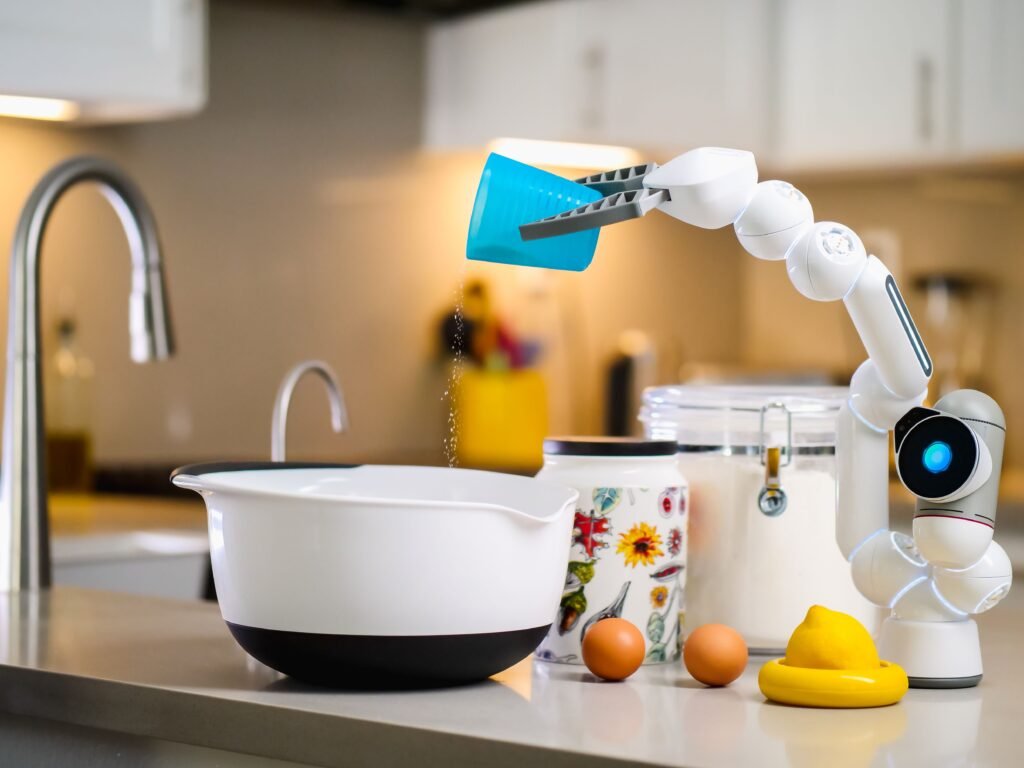
Artificial intelligence is moving beyond smartphones, computers, and voice assistants and entering a more physical space: the home.
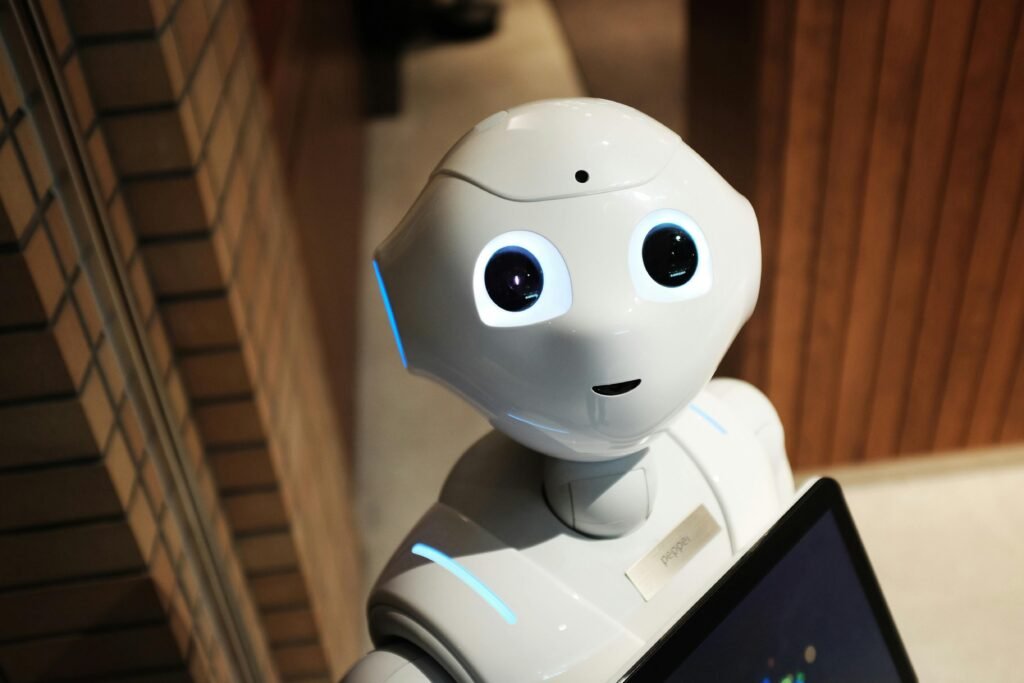
A new generation of AI-powered companion robots is emerging at the intersection of multimodal AI, robotics, computer vision, and natural-language interaction. Unlike traditional smart devices that simply respond to commands, these robots are being designed to interact with people in a more continuous and personalized way.
From Assistants to Companions
The evolution of AI assistants has largely focused on answering questions, controlling smart-home devices, and completing specific tasks. Companion robots take the concept further by giving AI a physical presence.
With cameras, microphones, sensors, and increasingly capable AI models, these systems can interpret their surroundings, recognize voices and objects, understand conversations, and respond through speech, movement, or facial and visual cues.
This creates a different kind of relationship between people and technology. Instead of asking a device to perform a task, users can potentially talk, interact, and engage with an AI system over time.
Multimodal AI Makes Interaction More Natural
One of the major technologies behind this development is multimodal AI.
Modern AI systems can combine information from multiple inputs—including voice, images, text, movement, and environmental signals. When these capabilities are integrated into a mobile or interactive robot, the machine can build a richer understanding of what is happening around it.
For example, a companion robot could recognize who is speaking, understand the context of a conversation, identify objects in a room, and respond accordingly.
The result is an interaction that feels less like operating a machine and more like communicating with a digital presence.
Potential Beyond Entertainment
Companion robots could eventually have applications across several areas of daily life.
They may assist with education, elderly engagement, household interaction, accessibility, entertainment, and personalized assistance. For people who spend significant amounts of time alone, an interactive AI device could provide conversation and routine engagement.
Businesses are also likely to explore new applications as the technology matures, particularly where physical interaction and personalized AI assistance can work together.
The Human Connection Question
But greater emotional awareness in machines also introduces a difficult question: how should society define the relationship between humans and AI companions?
A system that remembers conversations, recognizes emotions, and adapts its behavior can become more than a conventional household appliance. Users may develop emotional attachments to these machines, particularly when interactions become highly personalized.
That creates a need for thoughtful design around transparency, user control, privacy, and responsible AI.
Privacy Will Be Critical
The capabilities that make companion robots useful can also create significant privacy challenges.
A robot operating inside a home may have access to conversations, images, behavioral patterns, schedules, and other sensitive information. Companies developing these systems will therefore need strong approaches to data protection, cybersecurity, consent, and local or controlled processing.
For consumers, understanding what information a robot collects, where it is processed, how long it is retained, and who can access it will become increasingly important.
The Next Interface for AI?
The smartphone transformed how people interact with digital services. Voice assistants then made interaction more conversational.
AI companion robots could represent another step in that evolution—bringing physical presence, intelligence, and continuous interaction together in one device.
The technology is still developing, but the direction is clear: AI is becoming less confined to screens and increasingly capable of interacting with people in the physical world.
The future of AI may not simply be about smarter software.
It may be about machines that live alongside us.