
Time to Value (TTV): The New KPI That Defines Product Success

In today’s fast-moving digital landscape, traditional metrics like features, downloads, or even engagement are no longer enough. A new KPI is taking center stage—Time to Value (TTV).
The “Latency Economy”: Why Speed Is Becoming the Ultimate Competitive Advantage

A new competitive battleground is emerging in the digital world—latency. In an era defined by real-time applications, always-on connectivity, and instant user expectations, even milliseconds can influence outcomes. From how quickly a page loads to how fast an AI system responds, speed is now directly tied to performance, engagement, and business value.
AI Misalignment Risk: When Intelligent Systems Don’t Align with Human Intent

As artificial intelligence becomes more autonomous, a critical challenge is gaining attention: AI misalignment. This occurs when AI systems act in ways that do not fully reflect human goals, expectations, or ethical boundaries—even if they are technically functioning as designed.
Predictive Interfaces: When Software Knows Before You Act

User interfaces are undergoing a quiet transformation. Instead of waiting for users to click, search, or type, modern systems are beginning to anticipate intent and act in advance. This shift is giving rise to predictive interfaces—where software doesn’t just respond, it proactively assists.
The Execution Gap in AI: Why Strategy Isn’t Translating Into Real Impact

AI is everywhere in strategy decks, leadership discussions, and boardroom priorities. Yet, despite massive investment and interest, many organizations are struggling to turn AI plans into real, measurable outcomes.
Generative AI Is Changing How New Medicines Are Discovered

Generative AI is beginning to change the way biomedical research is done, especially in the early stages of drug discovery. Instead of relying only on expensive laboratory experiments, researchers are now using AI models to study and design molecules digitally—saving both time and cost.
AI in the Audio World: From Signal Processing to Perceptual Intelligence

Audio has gone from being primarily a passive signal-processing problem to a smart, flexible system. AI has made it possible for today’s media and communication systems to do more than just record and play back sound. Instead, they are focused on figuring out, refining, and customizing audio experiences as they happen. This development is affecting phone calls, conference calls, immersive video, and spatial audio delivery on consumer, corporate, and automotive platforms.
Building Next-Generation Intelligent Intrusion Prevention Systems

The convergence of traditional IDS/IPS technologies with AI-based systems will mark a major paradigm shift in the continuously evolving field of Cybersecurity.
Snort3 (the third version of the world’s most broadly adopted Open-Source IDS/IPS) was architected to provide extensibility and intelligence.In this article, we will explain how the modular architecture of Snort3 can synergize with today’s AI and Agentive AI Systems for Threat Detection, Response, and Autonomous Security Operations.
From Chips to Datacenters: Why Datacenter as a Chip Is Becoming the New AI Architecture
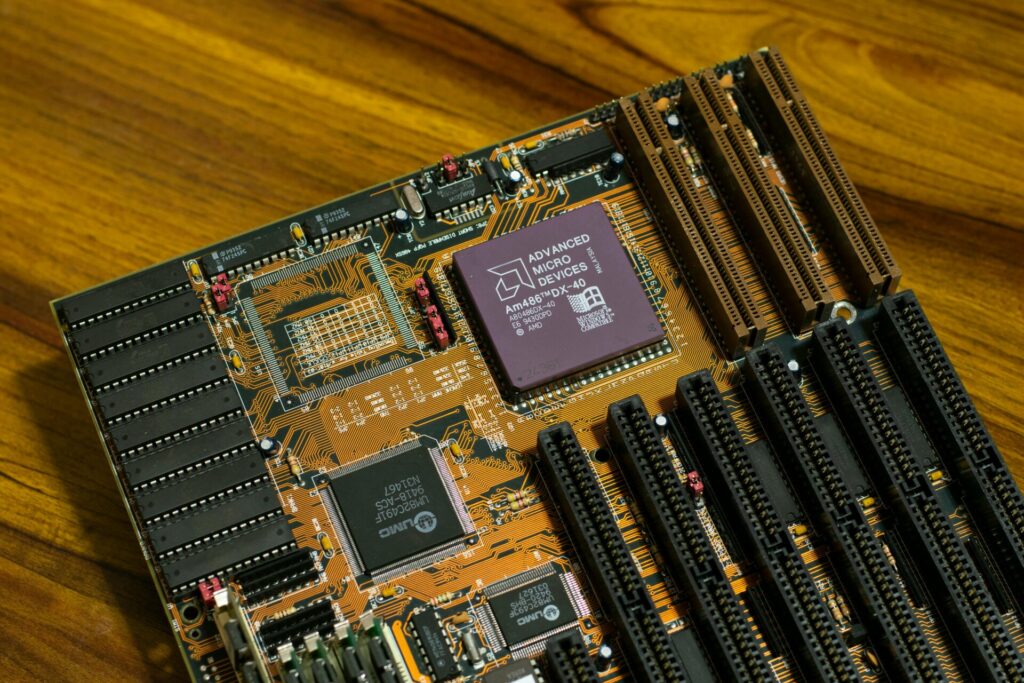
Artificial intelligence workloads are pushing modern datacenters to their architectural limits. As AI models scale across thousands of accelerators, traditional datacenter designs built around loosely coupled servers and software managed coordination increasingly struggle with latency variability, inefficient memory access, and unpredictable performance at scale.