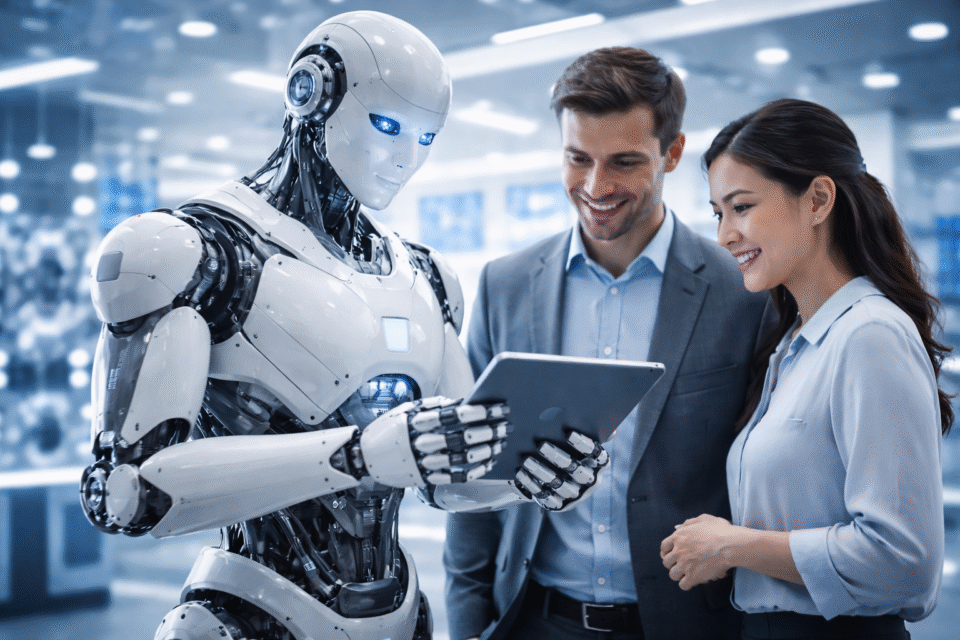
A new category of “customer” is emerging—machines. Powered by AI, these systems can search, evaluate, and complete purchases without direct human involvement. From automated procurement in enterprises to smart devices reordering supplies, machine customers are beginning to reshape how transactions happen.
This marks a shift from human-driven commerce to algorithm-driven decision-making.
What Are Machine Customers?
Machine customers are AI systems or devices that independently make purchasing decisions based on predefined rules, real-time data, and learned behavior.
They can:
- Monitor usage and trigger reorders automatically
- Compare prices, vendors, and delivery times
- Optimize purchases based on cost, performance, or policy
- Execute transactions via APIs without human intervention
In many cases, the “buyer” is no longer a person—it’s a system acting on behalf of one.
Why This Trend Is Emerging Now
Automation at Scale
Organizations are automating procurement and operations to reduce manual effort and delays.
API-Driven Commerce
Digital platforms now allow systems to transact directly with each other.
AI Decision Capabilities
Modern AI can evaluate multiple variables and make optimized choices in real time.
Always-On Operations
Machines can make decisions instantly, without waiting for human input.
Where It’s Already Happening
Enterprise Procurement
AI systems automatically purchase inventory, cloud resources, and services.
Smart Devices & IoT
Connected devices reorder consumables like groceries, printer ink, or utilities.
Dynamic Pricing & Supply Chains
Systems negotiate and adjust purchases based on demand, pricing, and availability.
Business Impact
The rise of machine customers is changing how companies sell and operate:
- Faster transactions with minimal human delay
- More predictable demand through automated purchasing patterns
- Shift in marketing strategies—targeting algorithms instead of emotions
- Increased competition on price, speed, and API integration
Businesses will need to optimize for machine decision logic, not just human preferences.
Challenges to Consider
- Lack of human judgment in complex or ambiguous scenarios
- Risk of automated errors at scale
- Security and fraud concerns in autonomous transactions
- Need for transparency in AI-driven decisions
Managing these risks will be critical as adoption grows.
The Road Ahead
Machine customers are expected to become a core part of digital commerce ecosystems. As AI systems become more autonomous, the volume of machine-driven transactions will increase significantly.
In the future, businesses may compete not just for human attention—but for algorithmic preference.
BizTech Insight
The rise of machine customers represents a fundamental shift in commerce. The companies that succeed will be those that design products, pricing, and platforms to be optimized for both humans and machines.
🔍 Key Highlights
Trend: Emergence of AI-driven purchasing systems
Focus: Automation, APIs, and real-time decision-making
Impact: Faster transactions, new business models, algorithm-driven commerce


