

Behind every successful cloud platform is an engineer who understands that technology is not just about building systems, it’s about solving real business challenges.
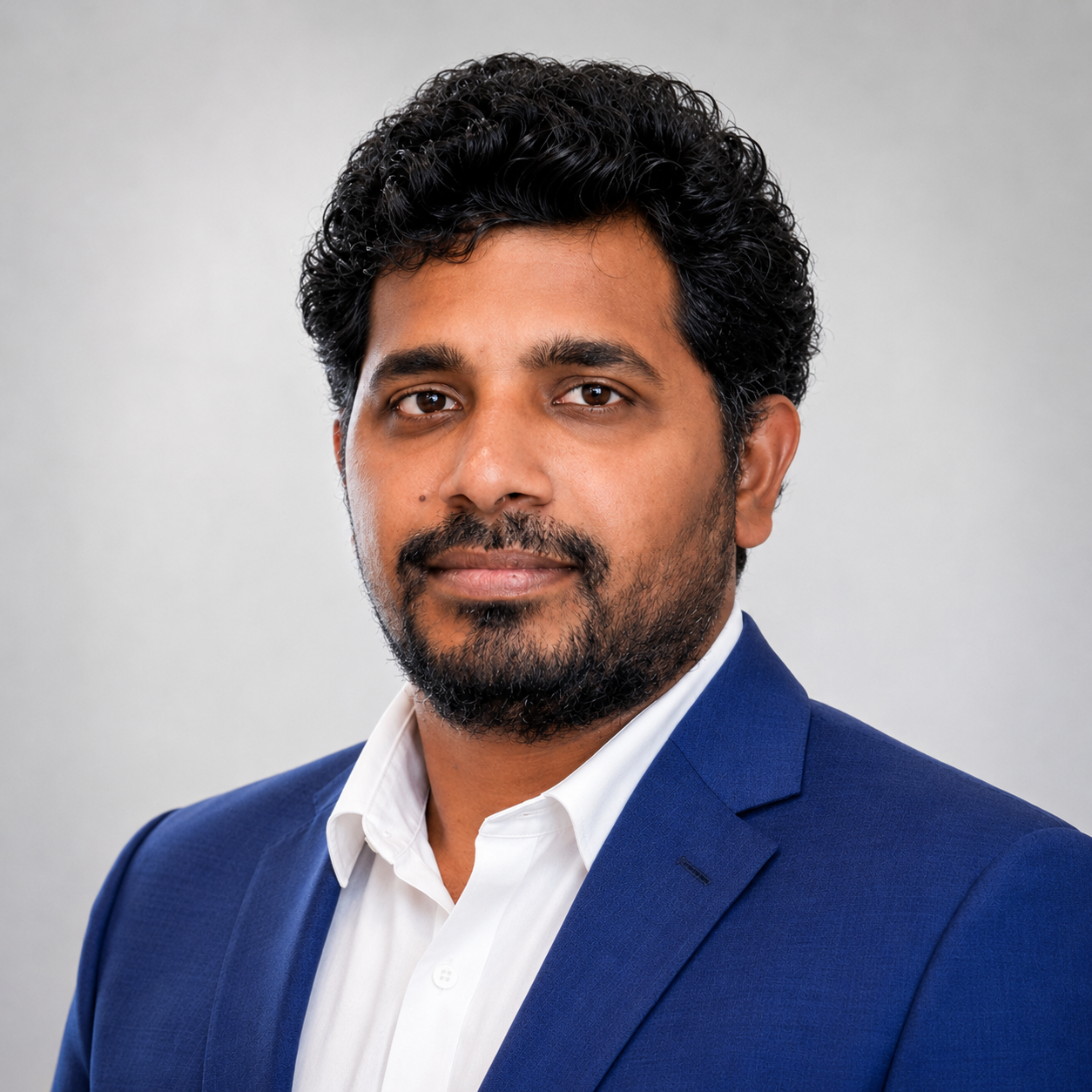
With over a decade of experience in cloud infrastructure, platform engineering, DevOps, Kubernetes, security governance, and enterprise AI, Naga Krishna Reddy Muppidi has built a career focused on designing secure, scalable, and resilient technology platforms. Having worked with leading global organizations across the financial services sector, he has been at the forefront of modernizing cloud environments while balancing innovation, security, and operational excellence.
In this exclusive interview, he reflects on his professional journey, the lessons learned from working in highly regulated industries, the growing role of AI in enterprise platforms, and why strong engineering fundamentals remain more important than ever. He also shares his thoughts on the future of cloud technology, responsible AI adoption, and the mindset needed to succeed in today’s rapidly evolving technology landscape.
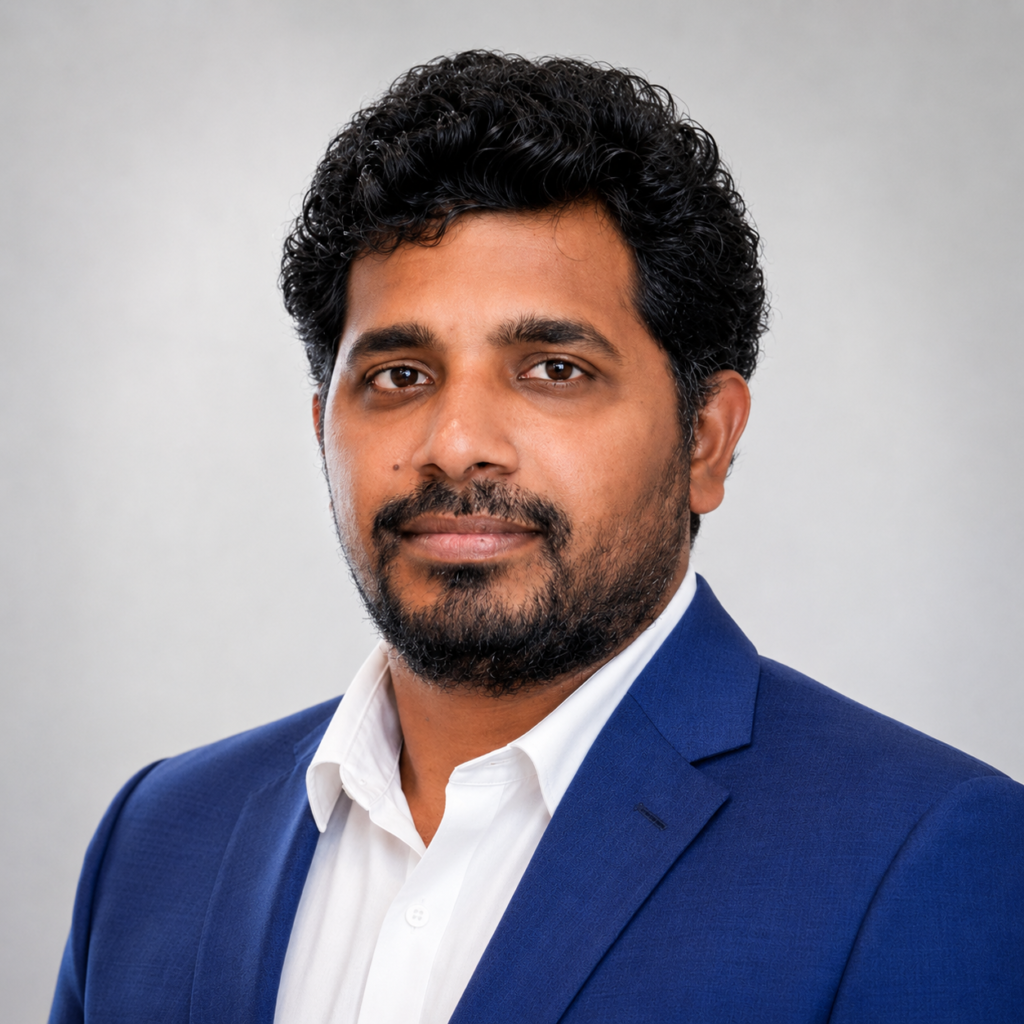
“Innovation creates opportunities, but trust is built through reliability, security, and consistency.” — Naga Krishna Reddy Muppidi
Read on as he shares his experiences, insights, and vision for the future of enterprise technology.
Q. Please introduce yourself and share your professional background, current role, and years of experience.
I am Naga Krishna Reddy Muppidi, a senior platform engineer and platform technology lead with more than 10 years of experience in cloud infrastructure, platform engineering, DevOps automation, Kubernetes, security governance, and financial-services technology. My work has focused on building secure, scalable, and reliable cloud platforms for enterprise environments where availability, auditability, and operational discipline matter. I currently work in platform engineering, leading initiatives across AWS infrastructure, Kubernetes, GitHub Enterprise, developer productivity, identity and access governance, and AI enablement.
Over my career, I have worked across organizations such as HedgeServ, Fidelity Investments, Marsh McLennan, AQR Capital Management, and Verinon Tech Solutions. My professional focus has evolved from infrastructure automation and systems engineering into enterprise platform architecture, secure AI-assisted infrastructure, and practical governance models for regulated cloud operations.
Q. What inspired you to pursue your career, and how has your professional journey evolved over time?
I was drawn to engineering because I enjoy building systems that solve practical problems at scale. Early in my career, I worked on Linux systems, automation, monitoring, and deployment pipelines, which gave me a strong foundation in how production environments actually operate. As cloud adoption accelerated, my work naturally moved into AWS, infrastructure as code, Kubernetes, data platforms, and developer platforms. Over time, I became more interested in the intersection of engineering efficiency, security, and governance, especially in financial-services environments where infrastructure decisions have direct business impact. More recently, my journey has expanded into enterprise AI enablement and research around secure AI agents, context governance, cloud cost optimization, and AI-assisted infrastructure review. The constant thread in my career has been building systems that make engineering teams faster while keeping reliability, security, and accountability intact.
“Automation should remove repetitive work, giving engineers more time to focus on solving complex challenges.”
Q. What are your key areas of expertise, specialization, and industry focus?
My key areas of expertise include AWS cloud infrastructure, Kubernetes and EKS, infrastructure as code, platform engineering, cloud data platforms, DevOps automation, observability, identity and access governance, secure developer platforms, and enterprise AI enablement. I specialize in building platforms that help engineering teams deploy, operate, and govern infrastructure consistently across regulated environments.
My technical background includes AWS Organizations, Control Tower, IAM, S3, Glue, EMR, Athena, Lambda, Terraform, GitHub Enterprise, ArgoCD, Jenkins, Prometheus, Grafana, Datadog, OpenTelemetry, and security controls such as RBAC, OIDC, SAML, SCPs, and policy guardrails. My industry focus is financial-services infrastructure, where performance, compliance, auditability, and resilience are critical. A growing part of my work is focused on safe adoption of AI copilots and agents in enterprise infrastructure workflows, especially where context control, evidence retention, and governance are required.
“Cloud platforms should enable innovation while ensuring governance, compliance, and operational excellence.”
Q. Can you share a significant achievement, project, research contribution, publication, or innovation that you are particularly proud of?
One achievement I am particularly proud of is leading enterprise platform modernization work that connected cloud infrastructure, developer productivity, security governance, and AI adoption into one operating model. This included modernizing AWS multi-account infrastructure, improving self-service provisioning, strengthening identity and access controls, and leading GitHub Enterprise and AI-assisted developer tooling initiatives in a regulated environment. On the research side, I have been developing practical frameworks for secure AI-assisted infrastructure systems. These include Secure Context Cache, which focuses on least-privilege shared memory and controlled context for enterprise developer agents; SecReviewAgent, which explores context-aware Infrastructure-as-Code security review; and CostAgent, which applies AI-assisted reasoning to cloud cost optimization. I am especially interested in work that turns AI from a general productivity tool into a governed, auditable, and operationally useful capability for enterprise cloud teams.
Q. What challenges have you faced in your career, and what lessons did you learn from overcoming them?
One recurring challenge has been balancing speed, reliability, and governance in environments where engineering teams need to move quickly but cannot compromise security or operational control. Platform engineering is often about creating standards that are strong enough to protect the organization but flexible enough for teams to actually use. I have also worked through complex migrations, production incidents, cloud cost pressures, and the cultural challenges that come with changing how engineering teams build and deploy software. The biggest lesson I have learned is that good technology decisions are not only technical. They also require communication, trust, documentation, measurable outcomes, and empathy for the teams who will use the platform every day. Another lesson is that automation should reduce cognitive load, not hide complexity. The best platforms make the right path easier while still keeping engineers informed and accountable.
Q. What emerging technologies, trends, or developments do you believe will shape the future of your industry?
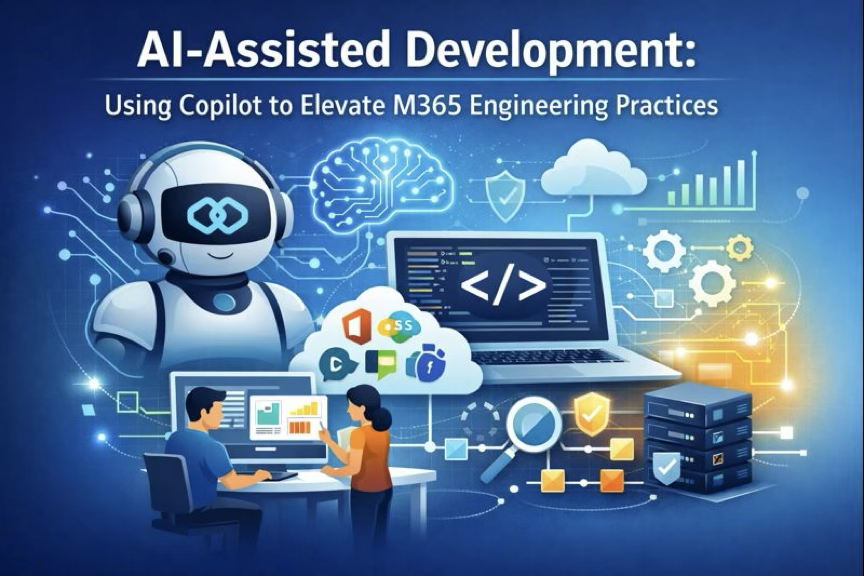
I believe the next major shift in cloud and platform engineering will come from governed AI-assisted operations. Enterprises are moving beyond simple AI copilots toward agents that can inspect infrastructure, summarize operational context, recommend changes, review code, detect policy gaps, and support incident response. However, the future will not be defined only by more powerful models. It will be defined by how safely organizations can connect those models to real enterprise systems. Context governance, least-privilege access, audit trails, provenance, policy-as-code, and human approval workflows will become essential.
“The real value of AI lies in helping people make faster, smarter, and more informed decisions.”
I also see continued growth in platform engineering, FinOps automation, cloud security posture management, internal developer platforms, and AI-assisted compliance evidence generation. In regulated industries, the winning approach will be practical AI adoption with clear controls, not uncontrolled automation.
Q. What skills, knowledge, or qualities do you consider most important for success in today’s professional landscape?
The most important skill today is the ability to connect technical depth with business and operational judgment. Engineers need to understand cloud architecture, automation, security, observability, and software delivery, but they also need to understand why a system exists, who depends on it, and what risk it creates. Strong fundamentals still matter: networking, Linux, distributed systems, identity, scripting, and debugging are difficult to replace. At the same time, professionals need to be adaptable because tools and platforms change quickly. I also believe clear communication is a major differentiator. The ability to explain tradeoffs, write useful documentation, lead incident reviews, and align teams around a practical path is extremely valuable. Curiosity, ownership, humility, and consistency are just as important as technical knowledge, especially in complex enterprise environments.
Q. Who or what has influenced your professional growth, and what motivates you to continue learning and innovating?
My professional growth has been shaped by working with strong engineering teams in high-accountability environments. I have learned a lot from platform engineers, security teams, SREs, data engineers, and application teams who had to solve difficult problems under real production constraints. Financial-services technology has also influenced my thinking because it forces discipline around reliability, controls, auditability, and measurable outcomes. I am motivated by the idea that infrastructure should not just be a background utility; it should be a strategic capability that helps organizations innovate safely. I continue learning because the field keeps changing, especially with AI entering cloud operations, security review, developer productivity, and cost optimization. My motivation comes from building practical systems that reduce friction for engineers while improving security, resilience, and governance at the same time.
Q. What advice would you give to students, young professionals, researchers, or aspiring entrepreneurs?
My advice is to build strong fundamentals before chasing every new tool. Learn Linux, networking, cloud basics, scripting, databases, security principles, and how production systems fail. Once those foundations are strong, new technologies become easier to understand. I would also encourage young professionals to work on real projects, write about what they learn, and measure the impact of their work. Do not only focus on certifications or buzzwords; focus on solving problems that matter. For researchers and entrepreneurs, I would suggest staying close to practical industry pain points. The best ideas often come from repeated operational problems that teams have accepted as normal. Finally, communication matters. Being able to explain your work clearly, collaborate across teams, and earn trust is just as important as writing good code.
Q. What is your vision, mission, future goals, and the impact you hope to create through your work?
My vision is to help shape a future where enterprise cloud platforms and AI-assisted systems are secure, reliable, cost-aware, and governed by design. My mission is to build and contribute to practical frameworks that help organizations adopt advanced infrastructure automation and AI agents without losing control over security, auditability, and human judgment. In the near term, I want to continue advancing work around secure AI agents, context governance, infrastructure security review, cloud cost optimization, and evidence-driven platform operations. My long-term goal is to contribute ideas, systems, and research that make enterprise infrastructure easier to operate and safer to scale. The impact I hope to create is simple: help engineering teams move faster with more confidence, while giving organizations the controls they need to trust the systems they depend on.
“The future of enterprise AI will be shaped by organizations that prioritize transparency, security, and responsible adoption.”