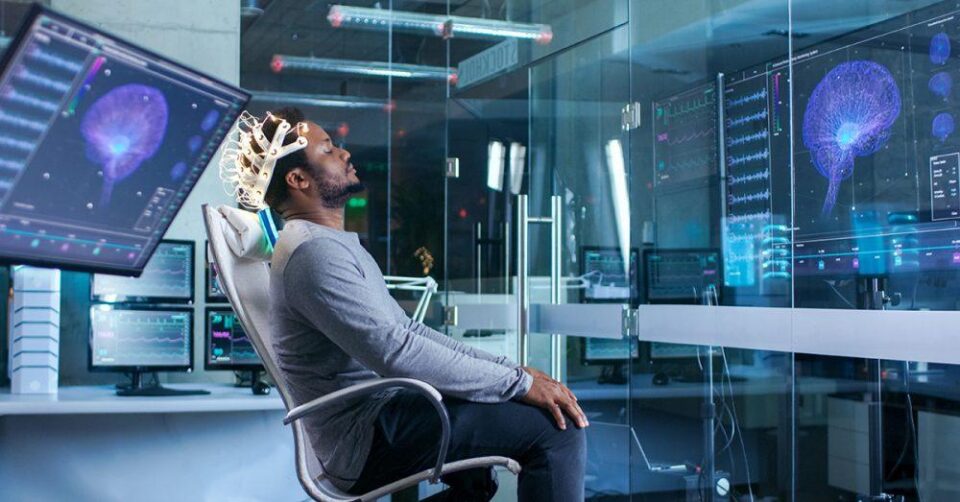
Brain-Computer Interfaces (BCI) are emerging as one of the most groundbreaking technologies, enabling direct communication between the human brain and external devices. By translating neural signals into digital commands, BCI systems are opening new possibilities in healthcare, computing, and human augmentation.
As research accelerates, BCIs are moving from experimental labs toward real-world applications, redefining how humans interact with technology.
How BCI Technology Works
BCI systems capture brain signals using sensors or implants and convert them into actionable outputs.
Core components include:
- Signal acquisition from brain activity
- Processing and decoding neural data
- Translating signals into device actions
This allows users to control computers, prosthetics, or other systems without physical input.
Key Applications
Healthcare
BCIs are helping patients with paralysis regain control over devices and improving neurorehabilitation.
Assistive Technology
Enables communication for individuals with severe motor impairments.
Human-Computer Interaction
Future systems may allow users to control devices, software, or environments using thought alone.
Challenges and Considerations
- High cost and complex implementation
- Data privacy and ethical concerns
- Long-term safety of implants
Despite progress, widespread adoption will depend on solving these critical challenges.
The Road Ahead
BCIs are still in early stages but advancing rapidly. As technology improves, they could transform industries ranging from healthcare to computing, creating more seamless interaction between humans and machines.
BizTech Insight
Brain-Computer Interfaces represent a shift from touch-based to thought-based computing. While still evolving, BCI technology has the potential to redefine the future of human–technology interaction.
🔍 Key Highlights
Trend: Direct brain-to-machine communication
Focus: Healthcare, assistive tech, human augmentation
Impact: Next-generation computing and accessibility


