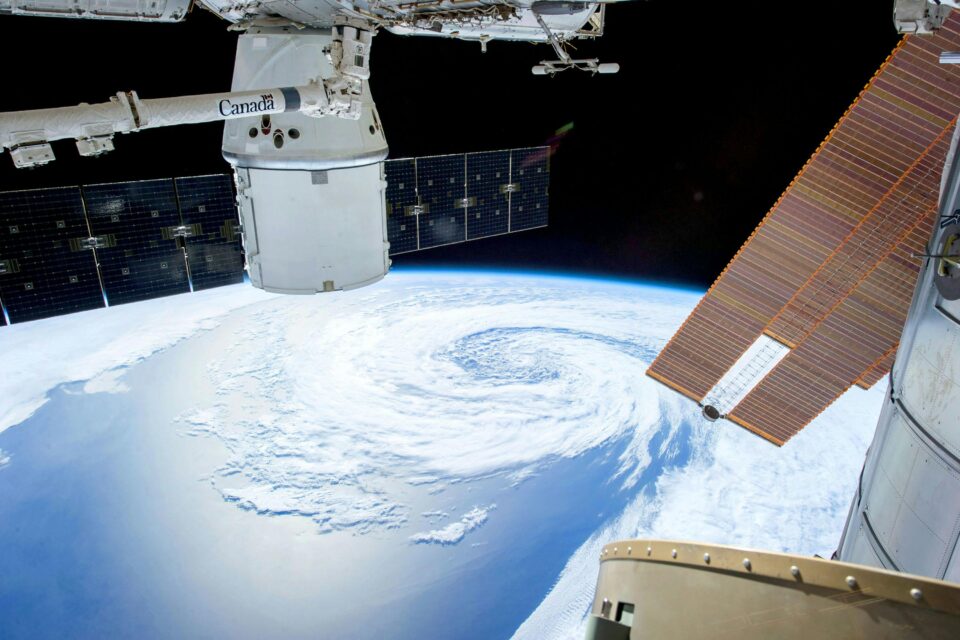
NASA is preparing for long-term operations on the Moon through its Artemis-class missions. Audio systems are now an essential part of spacecraft infrastructure, extending far beyond simple voice communication. Crew voice channels, alarms, and ground coordination loops are critical for real-time decision-making.
Recent practice missions have shown that even brief audio dropouts or reduced intelligibility can significantly increase operational risk. As a result, there is growing interest in AI-assisted audio systems that deliver higher reliability, improved clarity, and greater autonomy—especially under the hazardous conditions of spaceflight.
Traditional Audio Systems and Their Limits
Traditional space audio systems rely on deterministic signal paths, redundancy, and strict operational procedures. While these designs are robust, they struggle with dynamic failure modes such as intermittent connectivity, complex multi-loop ground communications, and rapidly changing acoustic environments inside spacecraft.
“AI does not replace established mission architectures—it adds observability and decision support.”
AI introduces adaptive intelligence by monitoring audio routes in real time, detecting issues like jitter or packet loss, and recommending or initiating corrective actions before problems escalate.
Improving Speech Clarity in Spacecraft Environments
Inside spacecraft, constant background noise from life-support systems, airflow, and onboard equipment directly affects audio quality. These conditions influence alarm recognition, crew fatigue, and communication effectiveness.
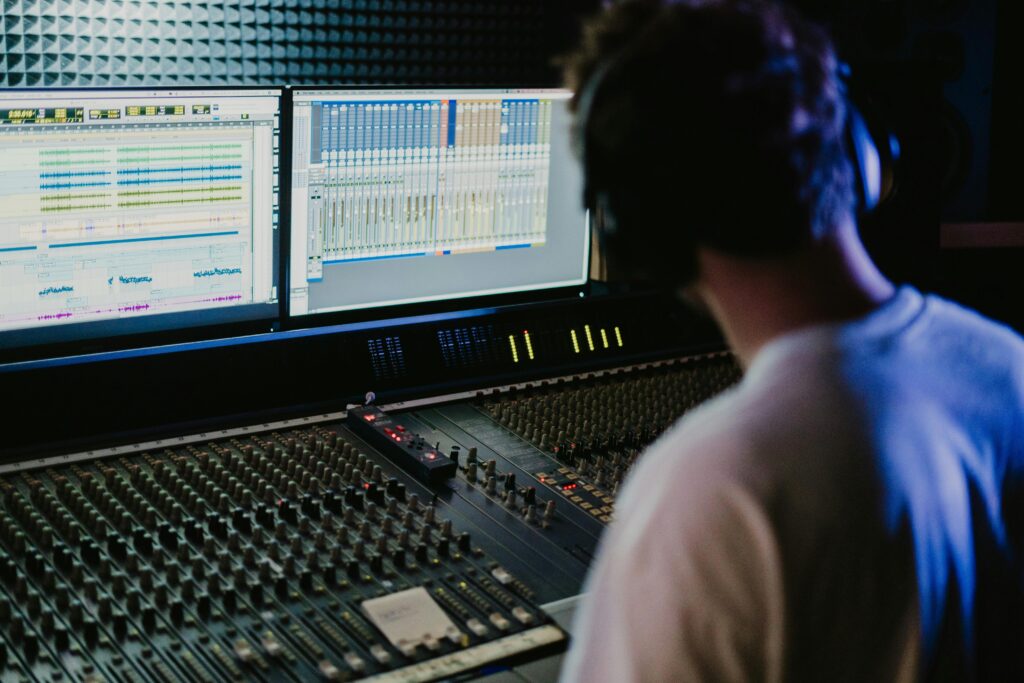
Speech intelligibility is a safety requirement, not a convenience feature.
AI-based speech enhancement models trained on spacecraft-specific noise profiles can suppress interference, enhance clarity, and preserve critical speech cues. These models are designed with strict safeguards to ensure that commands and callouts are never altered—accuracy takes priority over audio aesthetics.
“Audio systems are no longer just communication tools—they are becoming mission-critical infrastructure for space exploration.”
AI Voice Interfaces and Crew Interaction
AI also enables more intuitive interaction between astronauts and onboard systems. Voice management systems allow crew members to check system status, follow procedures, or control subsystems without diverting visual attention.
“The goal is trusted assistance—not unchecked autonomy.”
These AI voice interfaces operate locally onboard, provide confidence-aware feedback, and gracefully fall back to manual controls when uncertainty is detected. Human-system integration remains central to their design.
Spatial Audio and Cognitive Load Management
Spatial audio further expands AI’s role in spaceflight. By positioning alarms, communication loops, and system cues in different spatial locations, crews can more easily prioritize critical information without increasing overall noise levels.
Highlighted Insight:
AI can dynamically adjust spatial cues based on mission phase, urgency, and crew workload.
This capability helps reduce distractions during routine operations while enhancing awareness during high-risk activities such as docking, burns, or extravehicular missions.
Audio as Data: Predictive Maintenance
AI is also transforming audio into an active diagnostic signal. Microphones already installed for crew communication can serve as sensors for monitoring the acoustic signatures of pumps, fans, and other mechanical systems.
“Sound becomes data—and data becomes early warning.”
Machine learning models can detect subtle spectral changes that indicate early-stage hardware degradation. This “sound as data” approach provides a low-mass, high-value method for predictive maintenance in long-duration lunar and deep-space missions.
The Road Ahead
Together, these advancements point toward a future where AI-enhanced audio systems significantly improve safety, reliability, and human performance in spaceflight. Rather than replacing existing communication standards, AI strengthens them by adding adaptability, predictive insight, and human-centered design.
Final Highlight:
AI is redefining audio as an intelligent link between astronauts, spacecraft, and mission control.
As space missions grow longer and more complex, intelligent audio systems will play a vital role in ensuring mission success

Author: Suneeth Maraboina – Audio Engineer at Apple, specializing in spatial audio, voice communication, and AI-driven audio systems within the Apple CarPlay ecosystem. With over a decade of experience in audio signal processing, embedded systems, and immersive sound design, he focuses on redefining in-vehicle audio experiences through user-centric innovation. Formerly at Dolby Laboratories, where he contributed to the integration of Dolby Atmos across major platforms. .