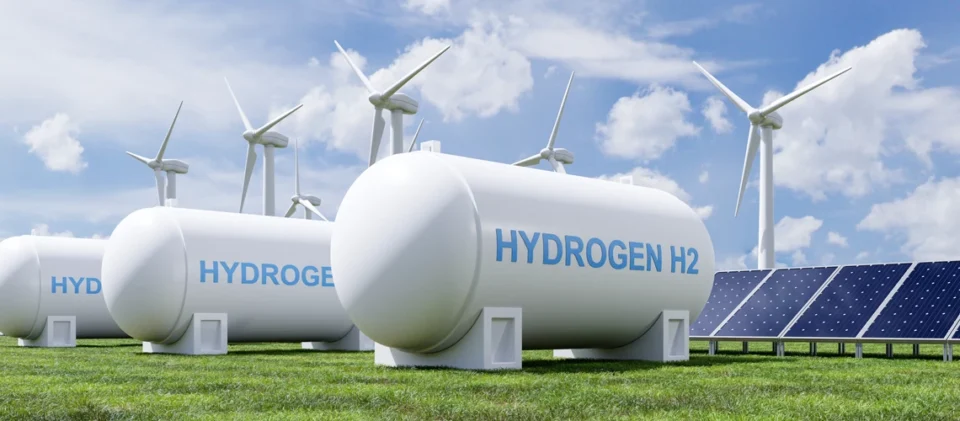
Green hydrogen is emerging as a critical technology in the global clean energy transition, as governments and industries explore low-carbon alternatives to fossil fuels for hard-to-decarbonize sectors.
Produced using renewable electricity and water electrolysis, green hydrogen offers a pathway to significantly reduce emissions in industries such as steel, chemicals, transportation, and power generation, where direct electrification remains challenging.
Advances in electrolyzer efficiency, renewable energy integration, and hydrogen storage and transport are helping lower production costs and improve scalability. As a result, pilot projects are increasingly progressing toward early commercial deployment across multiple regions.
Enterprises are also evaluating green hydrogen as part of their long-term energy security and decarbonization strategies, particularly for applications requiring high energy density and long-duration storage. Its ability to act as a flexible energy carrier makes it attractive for balancing renewable-heavy power grids.
Policy support, public–private partnerships, and infrastructure investment are expected to play a decisive role in accelerating adoption over the next few years.
BizTech Foundation Insight:
Green hydrogen represents a convergence of clean energy innovation and industrial transformation. As the technology matures and costs decline, it has the potential to become a cornerstone of sustainable and resilient energy systems worldwide.
🔍 Key Highlights
Technology: Green hydrogen
Focus: Clean energy, industrial decarbonization
Impact: Emissions reduction, energy transition, energy security


