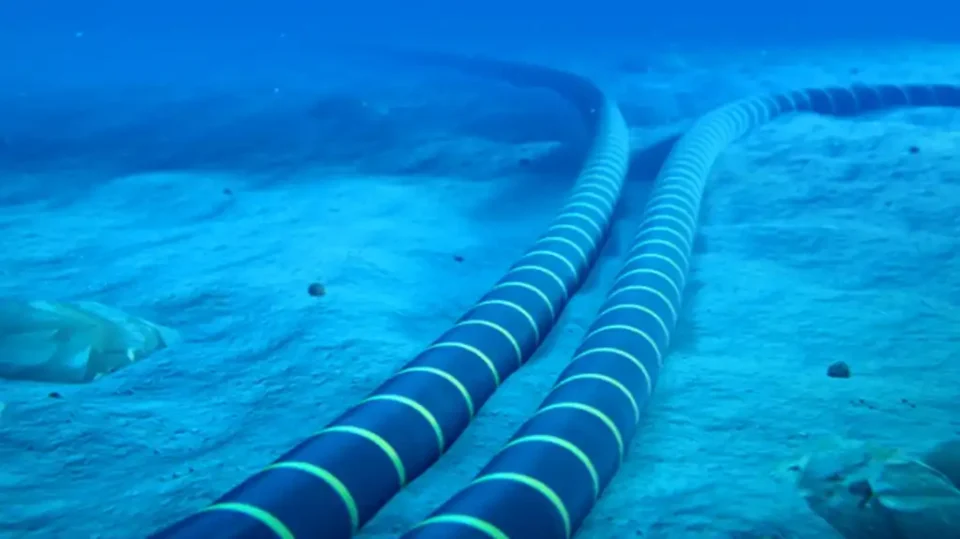
New Delhi, September 2025 – A series of undersea cable disruptions in the Red Sea has caused widespread internet slowdowns and latency issues across several countries in Asia and the Middle East, including India, Pakistan, UAE, and Saudi Arabia. The incident highlights the critical role of subsea cables in global digital connectivity and the vulnerabilities associated with them.
What Happened?
Reports indicate that multiple undersea cables near the Bab el-Mandeb Strait were damaged, affecting key networks such as SEA-ME-WE-4, IMEWE, FALCON GCX, and the Europe India Gateway (EIG) system. Early assessments suggest the damage may have been caused by anchors or underwater operations of commercial ships, a known risk for shallow seabed cable routes.
Impact on Services
The cable disruptions have led to slower internet speeds and higher latency, affecting cloud services, data centers, and online platforms in the region. Companies like Microsoft Azure and other cloud service providers reported temporary network congestion but confirmed that no major service outages occurred.
Cause and Investigations
While investigations are ongoing, experts point to accidental mechanical damage from shipping activities as the most likely cause. Previous incidents in the Red Sea have involved maritime accidents or, occasionally, geopolitical tensions, but no confirmed malicious activity has been reported in this case.
Global Implications
This incident underscores how dependent global communications are on a few critical undersea pathways. The Red Sea is a strategic maritime corridor, and disruptions here can ripple across continents, affecting not just internet connectivity but also financial transactions, enterprise operations, and communication networks.
Moving Forward
Industry experts recommend:
- Building redundant network routes to reduce reliance on single cables.
- Investing in advanced monitoring and rapid repair systems for subsea cables.
- Strengthening coordination between maritime authorities and telecom providers to prevent accidental damage.
BizTech Foundation Perspective
The Red Sea cable disruptions highlight a broader lesson for the global digital ecosystem: while technology connects the world, it remains vulnerable to physical infrastructure risks. Strengthening resilience in undersea networks is crucial to ensure uninterrupted connectivity for research, business, and education across continents.
The incident serves as a reminder that in a hyperconnected world, even physical infrastructure under the ocean can have a major impact on digital life.


