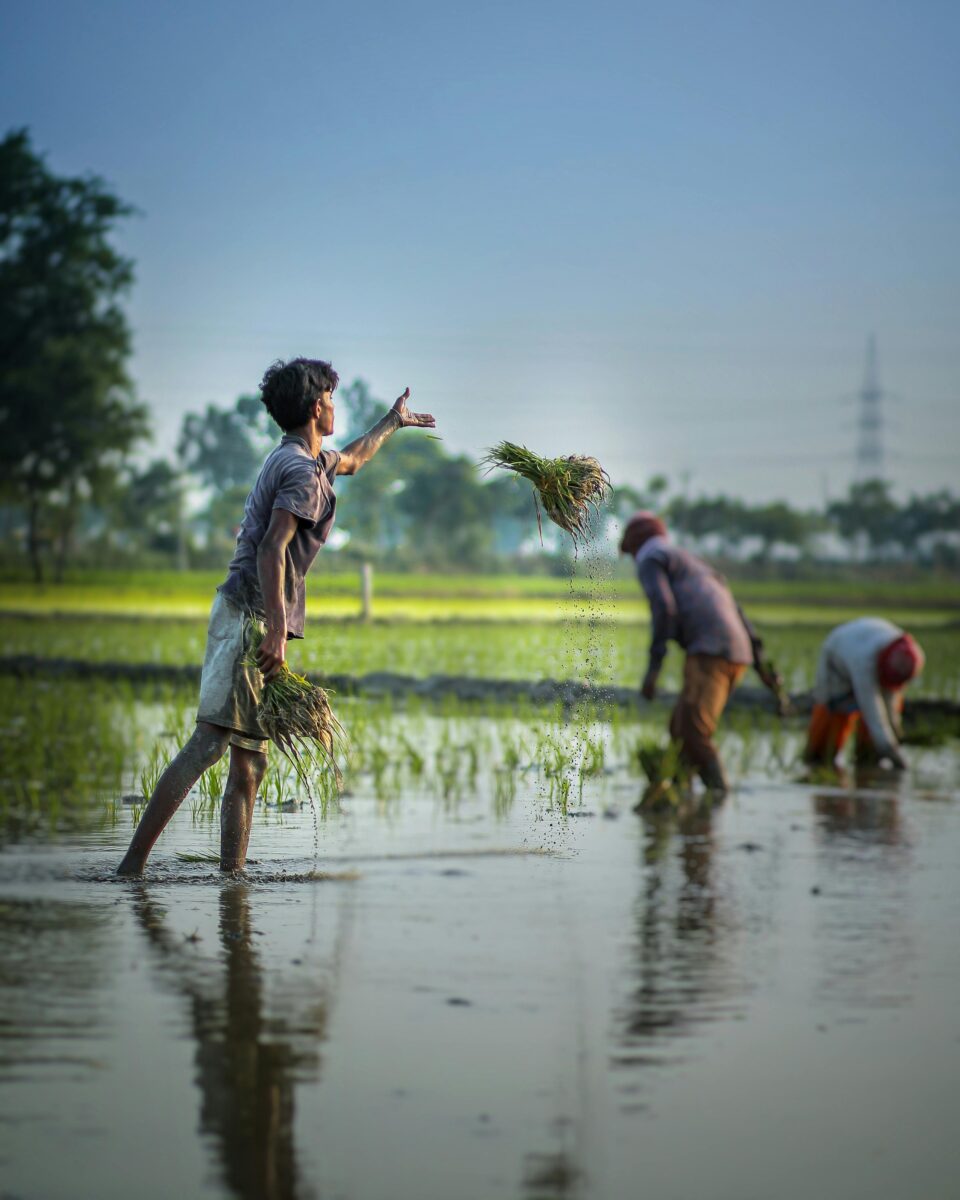
Agriculture has always been the backbone of India’s economy, with nearly 60% of the population relying on farming as a source of livelihood. However, challenges such as unpredictable weather, inefficient irrigation, soil degradation, and limited access to real-time information continue to impact productivity. This is where Agricultural Technology (AgriTech), empowered by the Internet of Things (IoT), is reshaping the future of farming—particularly in rural India.
🌾 The Promise of IoT in Agriculture
The Internet of Things brings together sensors, devices, and data-driven insights to make farming smarter and more efficient. By integrating IoT into agriculture, farmers can:
- Monitor soil health using smart sensors that measure moisture, pH levels, and nutrient content.
- Automate irrigation through systems that adjust water supply based on real-time soil and weather data.
- Track crop growth and health using drones, satellite imaging, and AI-enabled analytics.
- Manage livestock with wearable IoT devices that monitor animal health and productivity.
This data-driven approach ensures that resources such as water, fertilizer, and energy are used optimally, reducing waste and increasing yields.
🌍 Why Rural India Needs Smart Farming
Rural India faces unique challenges: small landholdings, dependence on monsoon rains, lack of modern equipment, and limited access to reliable market information. IoT-based smart farming solutions address these challenges by:
- Improving productivity for small and marginal farmers.
- Reducing input costs by preventing overuse of water and fertilizers.
- Enhancing resilience against climate change through predictive weather insights.
- Connecting farmers to markets with mobile-based platforms that provide price updates and demand forecasts.
By empowering farmers with knowledge and technology, IoT helps bridge the rural-urban divide and ensures inclusive growth.
🚜 Real-World Examples
- Smart Irrigation in Maharashtra – Farmers are using IoT-enabled drip irrigation systems that supply water only when needed, reducing water usage by up to 40%.
- Soil Sensors in Andhra Pradesh – Startups are deploying soil health sensors that alert farmers when crops need fertilizers, preventing overuse and improving soil quality.
- Drone Monitoring in Punjab – Drones are being used to scan large fields for pest infestations, helping farmers act quickly and save their crops.
These early successes show the potential of IoT to revolutionize agriculture at scale.
⚡ Barriers to Adoption
While promising, IoT adoption in rural India still faces hurdles:
- High initial investment in IoT devices and infrastructure.
- Lack of digital literacy among farmers to operate new technologies.
- Poor internet connectivity in remote villages.
- Scalability challenges for smallholder farmers.
To overcome these barriers, public-private partnerships, government support, and training programs are essential. Subsidies, rural broadband expansion, and AgriTech incubators can make technology more accessible.
🌟 The Way Forward
For India to achieve its vision of becoming a global agricultural powerhouse, embracing AgriTech powered by IoT is no longer optional—it is necessary. Future-ready solutions such as AI-driven farm analytics, blockchain for supply chain transparency, and precision agriculture will further enhance farming outcomes.
The integration of IoT in rural India’s agricultural practices represents more than just technology adoption; it signifies a movement toward sustainability, empowerment, and self-reliance for millions of farmers.
✅ Conclusion
Smart farming systems hold the key to transforming rural India’s agricultural landscape. By combining traditional farming knowledge with IoT-driven insights, farmers can achieve higher productivity, reduce risks, and contribute to a more sustainable and food-secure future.


